
Holding the Image, Dilan Tanburoğlu at the Warhol Kennedy Residence, Strand

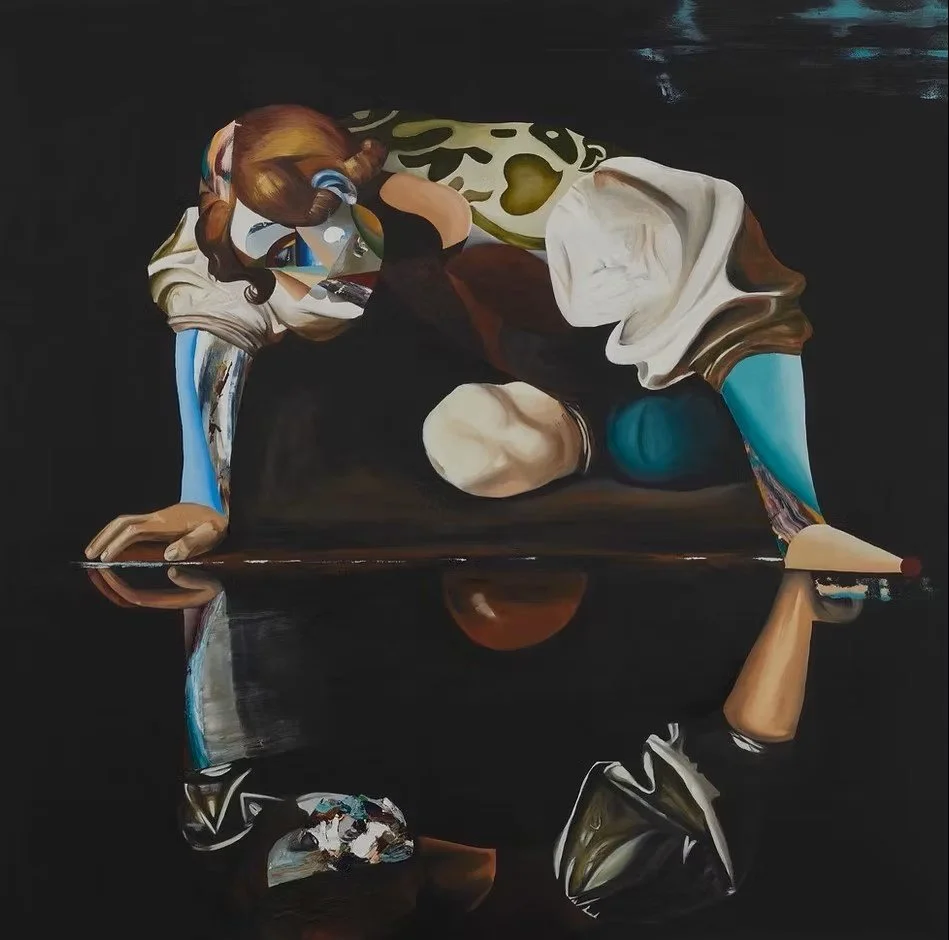
At the Warhol Kennedy Residence on the Strand, Dilan Tanburoğlu’s work unfolds with a rare and measured intensity. Her practice is grounded in attention, not as an act of capture, but as one of presence. Rather than overwhelming the viewer, her images invite duration. They ask us to slow down, to look again, and to remain.
Tanburoğlu works with a quiet discipline in which meaning accumulates gradually through surface, tone, and gesture. Nothing appears excessive or imposed. The hand is visible yet restrained, operating in balance between intuition and structure, emotion and control. Her authority emerges precisely through this refusal of spectacle.
In a cultural moment shaped by speed and constant visibility, her commitment to slowness feels quietly radical. She does not insist upon interpretation; instead, she trusts the image to hold its own space.
Presented for one evening only on 26 March, her work enters into dialogue with the photographs of William John Kennedy at the Warhol Kennedy Residence. The encounter is not framed as response or comparison, but as alignment. Both practices share an attentiveness to proximity and an understanding of the image as a site of encounter rather than assertion.
The highlight of the presentation is a pair of abstract-figurative paintings examining the creative friendship between Andy Warhol and Jean-Michel Basquiat. Tanburoğlu approaches their relationship not as biography but as atmosphere, treating it as a field of tension, exchange, and transformation.
Within these works, the language of pop aesthetics grounded in repetition and distance meets expressive, intuitive gesture. Order collides with instinct; structure encounters spontaneity. Rather than illustrating history, the paintings render visible a dialogue shaped by resonance and mutual influence, suggesting friendship as a space where difference itself becomes generative.
Tanburoğlu’s multidisciplinary mode of visual thinking informs her approach to colour, surface, and composition, yet her practice resists confinement to any single discipline. Colour operates architecturally rather than decoratively, carrying emotional and intellectual weight. The human figure is neither idealised nor fixed but reconstructed through cultural memory, intuition, and bodily awareness, situating her work firmly within a contemporary visual framework.
This presentation feels less like an introduction than an affirmation of a practice already grounded in clarity and purpose. Tanburoğlu’s work does not compete for attention. It deepens perception, reminding us that looking, when given time and care, remains an ethical and transformative act.
