
Rebecca Walker — Drawing the City That Lives Inside Us
London has always belonged to its storytellers.
Not only the historians or the architects, nor even the poets who tried to contain its rhythm in lines and metre, but to those rare artists who understand that a city is not simply built of stone and streets, but of memory, atmosphere, longing, and quiet revelation.
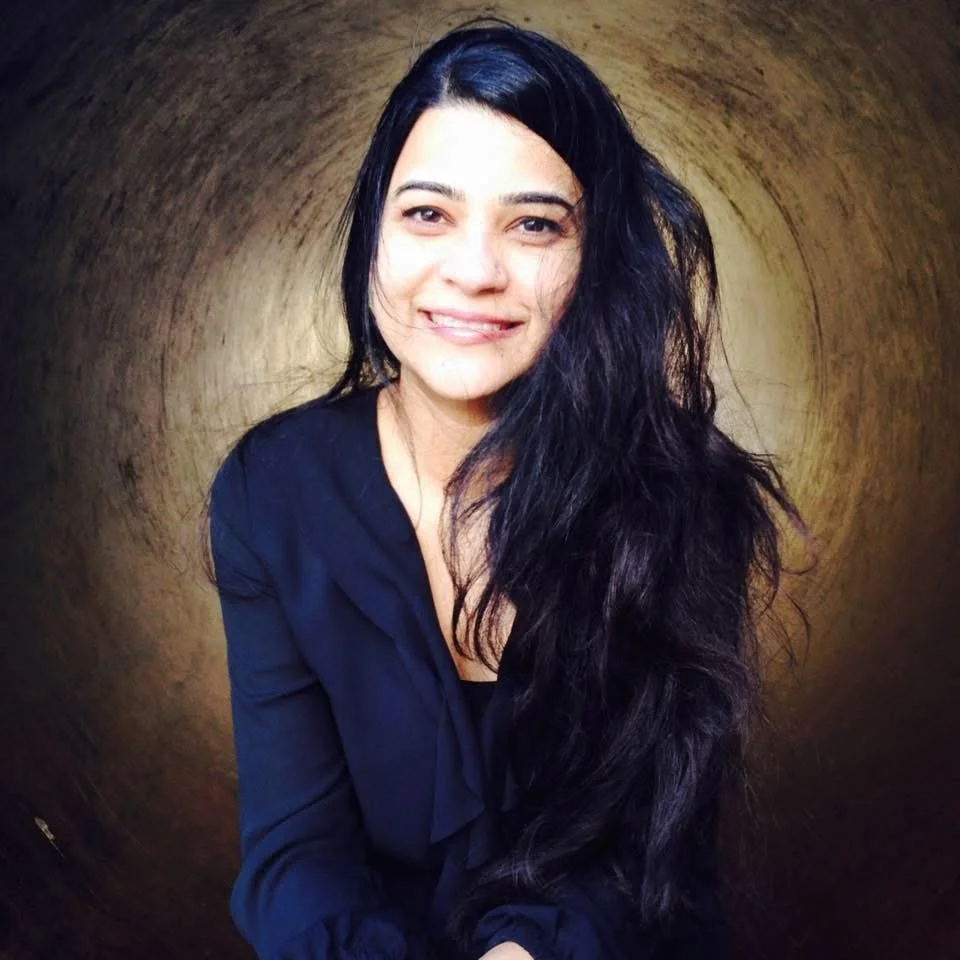
Rebecca Walker is one of those artists.
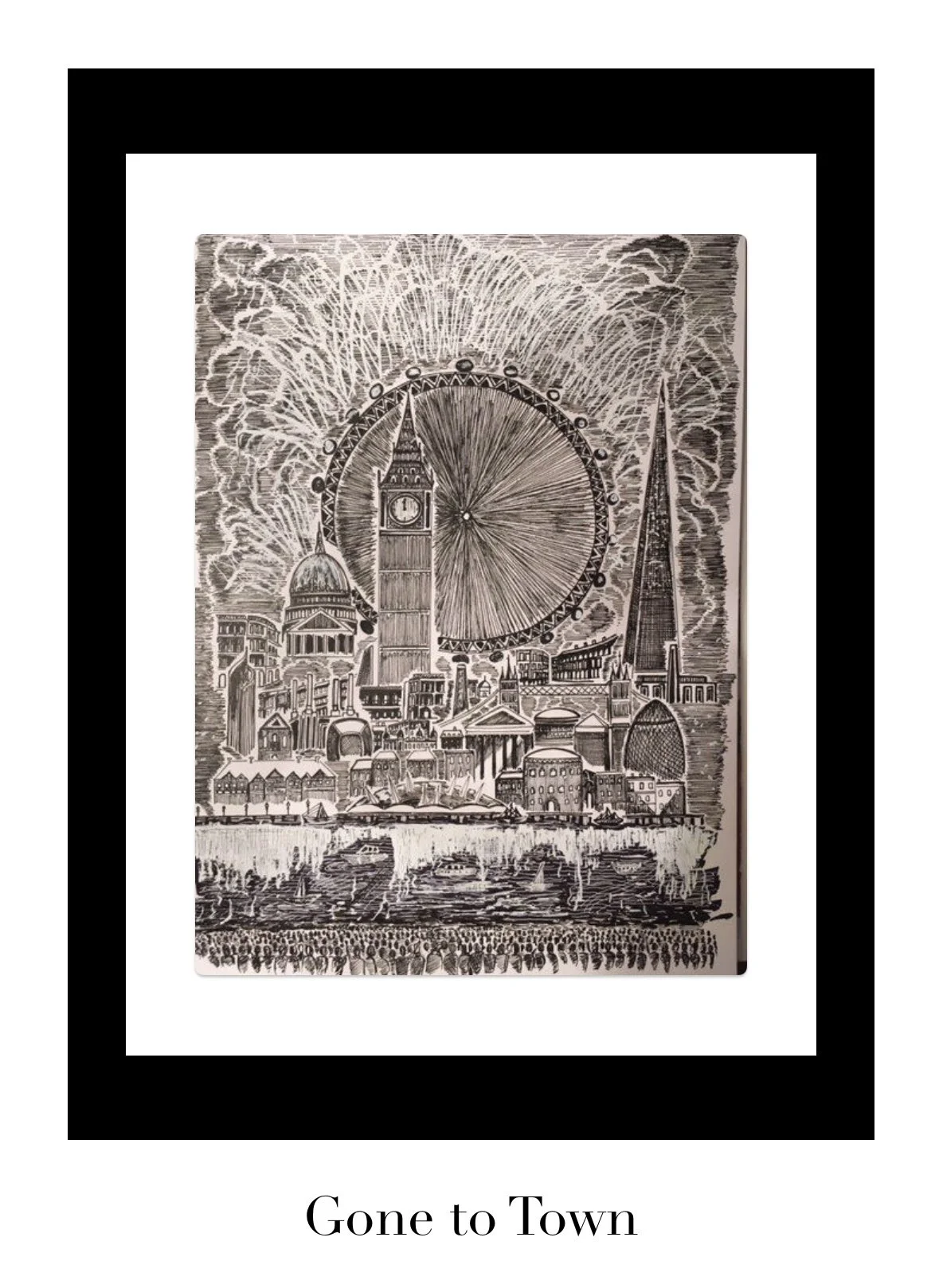
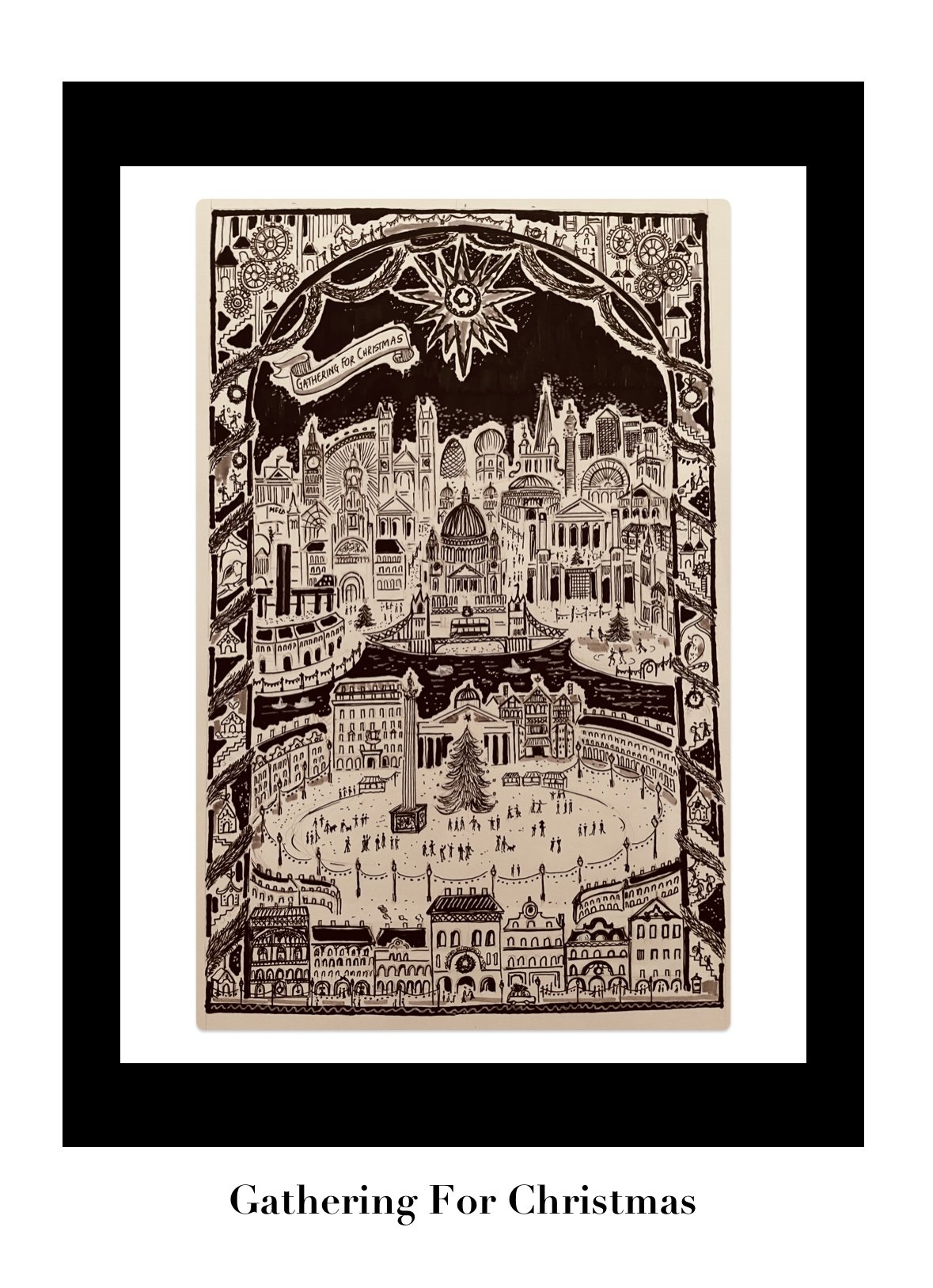
Her work does not document London. It re-imagines it. Through intricate pen-and-ink compositions, layered with a sensibility that feels both archival and deeply contemporary, Walker has spent the better part of a decade creating what might best be described as a visual essay of the city. A London that is at once familiar and otherworldly, where terraces hum with unspoken histories, where cathedral spires seem to breathe beneath celestial skies, and where crowds gather not in anonymity but in shared emotional presence.
Since beginning her artistic journey with Love London Gallery in 2017, Walker has cultivated a devoted international following, more than 300,000 admirers drawn to a practice that feels profoundly personal yet universally resonant. Her drawings exist somewhere between cartography and mythology; they chart geography, yes, but also nostalgia, belonging, and the subtle poetry of everyday life. Press Release
There are echoes of the great British illustrative tradition in her work, the quiet lyricism of Eric Ravilious, the compositional intelligence of Edward Bawden, the intuitive mysticism of Madge Gill. Yet Walker’s language is unmistakably her own. She approaches the city not as an object to be rendered precisely, but as a living entity to be felt. Architectural forms bend slightly toward emotion. Streets unfold like narratives. Buildings become characters.
To encounter a Rebecca Walker drawing is to experience a form of temporal layering. The viewer is invited into a London that exists simultaneously in past, present, and imagined future, a place where memory is not static but constantly rewritten through perception.
Her fascination with vintage graphic design, post-war illustration, and poetic printmaking traditions informs the visual structure of her compositions. Yet it is her instinctive understanding of atmosphere that defines them. She does not simply record what she sees; she translates what she senses. In this way, her practice sits closer to that of a writer or composer than a traditional urban illustrator.
Walker’s work asks enduring questions:
What does a city remember?
How do we carry it within us?
These questions have shaped not only her drawings, but also her curatorial pursuits. Alongside her artistic practice, Rebecca Walker serves as the curator of the Warhol Kennedy Residence, where she has brought renewed attention to a remarkable archive of early photographic portraits of Andy Warhol captured by fine-art photographer William John Kennedy during the formative years of the Pop Art movement.
Her involvement with this archive reveals another dimension of her vision, an ability to recognise cultural moments before they become historical consensus. Where others see documentation, Walker perceives narrative continuity. She understands that art history is not fixed; it is something to be activated, re-contextualised, and emotionally re-experienced.
This sensibility also informs her curatorial voice. Her work with the Warhol Kennedy archive reflects a broader commitment to preserving artistic legacy while making it accessible to contemporary audiences.
Yet for all the intellectual rigour underpinning her practice, there remains an essential tenderness at its core.
Rebecca Walker is, fundamentally, an artist of feeling.
Her London is not a metropolis of spectacle or speed. It is a city observed in moments of stillness: early morning light on stone, the hush of winter streets, the quiet choreography of strangers crossing paths. She draws the city as one might recall a dream, fragments assembled into coherence through intuition rather than logic.
Collectors are increasingly recognising the significance of this approach. Walker’s works occupy a rare intersection between place-based art and emotional narrative. They resonate not only with Londoners, but with anyone who has ever felt shaped by a city, anyone who understands that geography can become part of one’s internal architecture.
To collect a Rebecca Walker piece is therefore not merely to acquire an image. It is to hold a fragment of lived atmosphere, a visual memory rendered permanent through line and imagination.
As Love London Gallery continues to evolve, Rebecca Walker’s role within the broader cultural landscape feels increasingly important. At a time when cities are rapidly changing, physically, socially, psychologically, her drawings offer a form of continuity. They remind us that beneath development and distraction, there remains a quieter, more poetic London waiting to be seen.
Or perhaps more accurately, waiting to be remembered.
